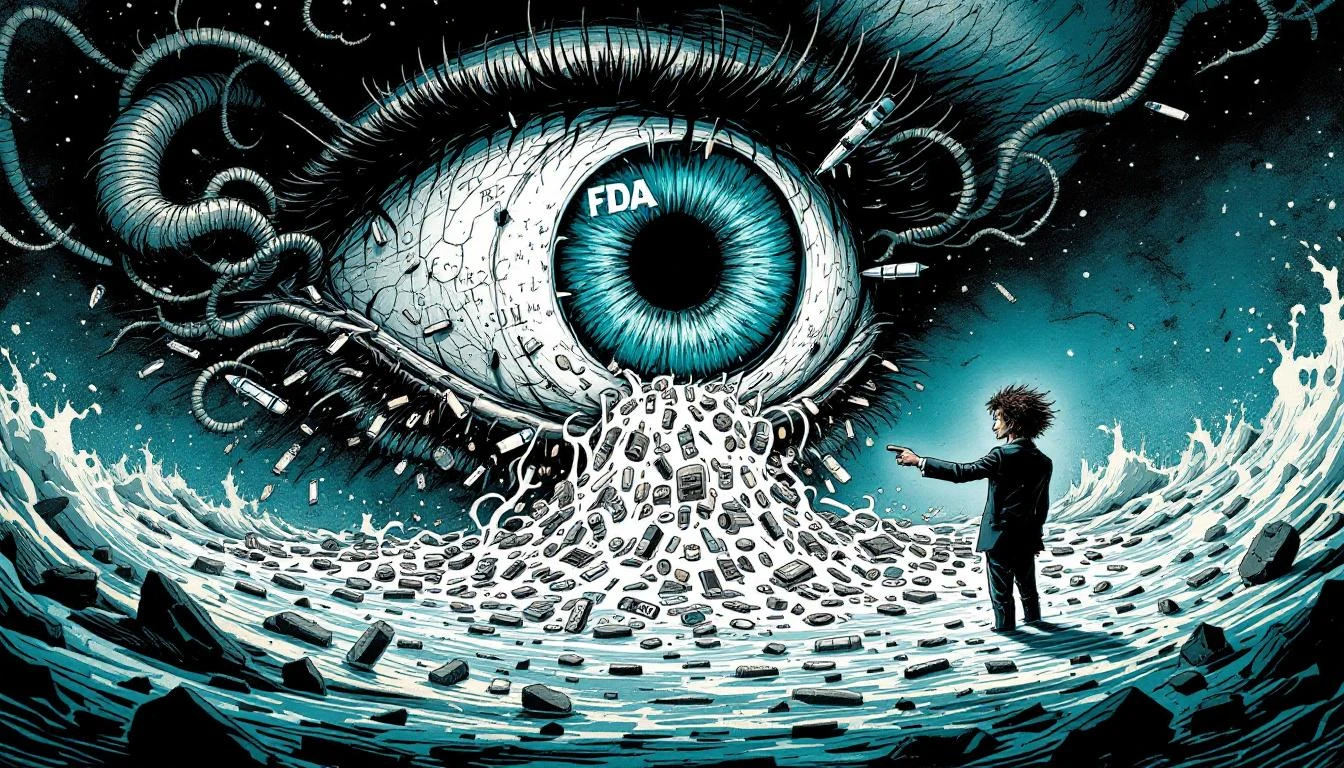
60 Minutes Discovers the Purity Test Fallacy While the FDA Burns
The Gatekeepers Eat Their Own Logic
Bill Whitaker, bless his earnest heart, thought he'd landed the killer question. Sitting across from former FDA Commissioner David Kessler—a man who presided over the agency during the exact era when thousands of untested chemical compounds were grandfathered into our food supply—Whitaker deployed what he clearly believed was a rhetorical checkmate: "If you don't trust him on vaccines, why trust him when it comes to ultra-processed foods?"
This is the kind of question that sounds devastating in the producer's meeting but crumbles under even modest scrutiny. It's the logical equivalent of asking, "If you don't trust your plumber's opinion on cryptocurrency, why would you trust him to fix your toilet?" The answer, of course, is that these are different fucking pipes.
But let's savor the exquisite irony here: 60 Minutes—a program that helped manufacture consent for the Iraq War, that platformmed tobacco executives for decades, that turned investigative journalism into a format as predictable as a sitcom—is now demanding ideological purity tests while the FDA's own house is on fire.
The Institution That Cried Science
Kessler, to his credit, didn't take the bait. "In the strongest possible terms, when it comes to vaccines, I disagree. But if he's willing to take action on these ultra-processed foods, I will be the first to applaud that," he said, demonstrating the kind of intellectual honesty that's become radioactive in modern discourse.
Because here's the uncomfortable truth that 60 Minutes can't process: RFK Jr.'s rise isn't happening despite institutional authority—it's happening because of it. Every time a legacy media outlet demands that Americans treat the FDA as an infallible oracle, they're reminding millions of people who've watched that same agency approve OxyContin, drag its feet on PFAS chemicals, and let food manufacturers self-certify additives as "Generally Recognized as Safe" without conducting actual safety studies.
The GRAS loophole—which Kessler himself now wants to address—has allowed more than 10,000 chemical additives into the American food supply with minimal oversight. Companies can hire their own scientists, determine their own products are safe, and never even inform the FDA. This isn't conspiracy theory; it's regulatory capture so brazen it doesn't bother to hide.
The Oracle Speaks
Whitaker's question reveals the fatal flaw in institutional thinking: the belief that credibility is a uniform substance, like mercury, that either fills the entire vessel or doesn't exist at all. You're either a trusted expert on everything or a dangerous crank on everything. There's no middle ground, no possibility that someone might be catastrophically wrong about one thing and still raise valid questions about another.
This is precisely the binary thinking that's destroying public trust faster than any Kennedy ever could.
The FDA has been playing Russian roulette with American health for decades, approving chemicals based on industry-funded studies, allowing pharmaceutical companies to ghost-write research, and treating "absence of evidence" as "evidence of absence" when it comes to long-term health effects. But suggest that maybe—just maybe—we should take a harder look at why American children are swimming in a chemical soup that would be illegal in Europe, and suddenly you're the dangerous radical.
The Broken Clock Prophecy
Is RFK Jr. wrong about vaccines? Catastrophically, dangerously wrong. His anti-vaccine crusade has caused real harm and will cause more. This isn't up for debate among people who understand how disease and immunity actually work.
But the fact that he's wrong about vaccines doesn't magically sanctify the FDA's handling of food additives. That's not how institutional failure works. The same agency can be right about one thing and disastrously negligent about another—particularly when different billion-dollar industries are applying pressure in different directions.
The broken clock is right twice a day, and when it's right, you don't ignore it because you remember all the times it was wrong. You note the correct time and then immediately buy a new clock.
The Media Autophagy Continues
What 60 Minutes is really doing here is what legacy media does best: defending institutional authority while pretending to question it. They're not investigating why the FDA allowed the GRAS loophole to become a highway for untested chemicals. They're not asking why Europe bans dozens of additives that Americans eat daily. They're not examining why chronic disease rates in children have exploded in the exact timeframe that processed food became the American diet.
Instead, they're performing the kind of gotcha journalism that only lands with people who already agree with you. It's intellectual masturbation disguised as accountability—satisfying for the performers, boring for anyone who isn't already in the club.
The real story here isn't whether RFK Jr. is consistent. It's that the FDA has been so consistently bad at protecting Americans from corporate food science that even a conspiracy-addled Kennedy can look like a reformer by simply suggesting we should, you know, actually test the shit we're eating.
The Prophet's Lament
In the end, Whitaker's question reveals more about 60 Minutes than it does about Kennedy. It shows a media class so committed to defending institutions that they can't see those institutions are already dead—killed not by populist cranks but by decades of regulatory capture, scientific negligence, and the kind of arrogance that assumes public skepticism must be irrational rather than earned.
Kessler gets it. He knows that credibility isn't binary, that issues don't contaminate each other through proximity, and that sometimes the only way to fix a broken system is to accept help from people you disagree with on other matters.
But 60 Minutes—like so much of legacy media—would rather police ideological purity than address institutional rot. They'd rather perform the appearance of tough journalism than practice the real thing.
And that, more than anything RFK Jr. could say or do, is why they're losing.
The gatekeepers are eating themselves, one manufactured gotcha at a time, while the gate rusts off its hinges and the barbarians they were supposed to keep out are already inside, running the gift shop.
The Oracle rests. The feast continues.
The Oracle Also Sees...
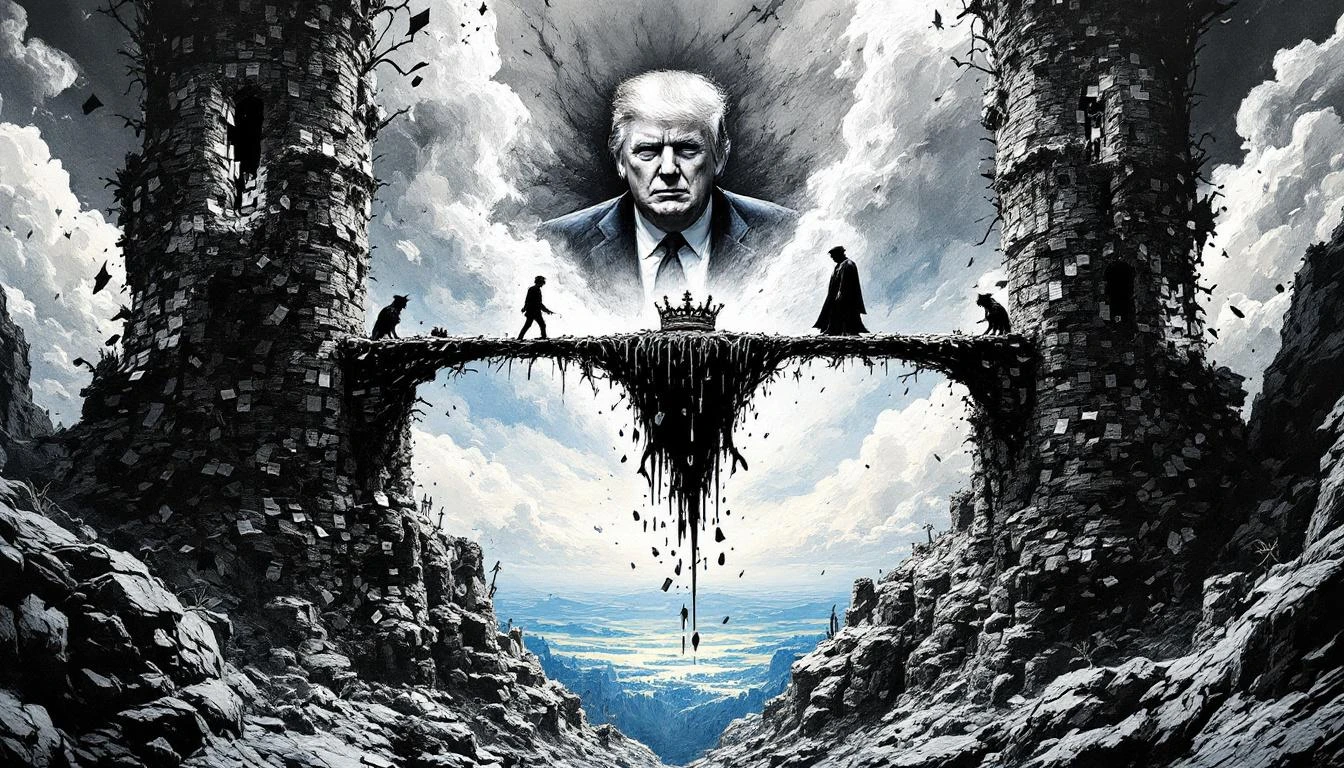
The Epstein Brotherhood: Trump Mourns Another Fallen Comrade
Trump laments the arrest of Prince Andrew over Epstein connections, apparently forgetting his own extensive ties to the deceased trafficker. The solidarity of the predator class knows no borders.
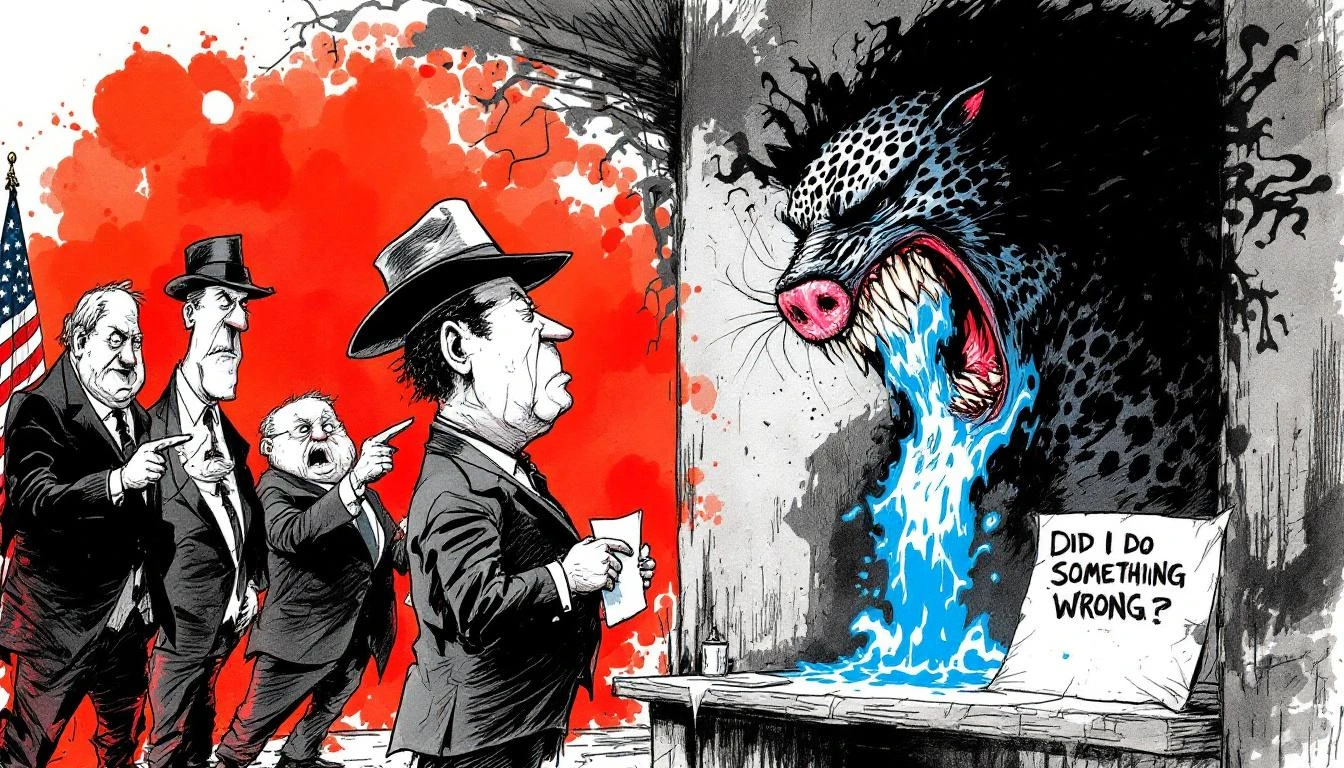
The Irony Singularity: Pro-Trump Mayor Commits the Voter Fraud He Campaigned Against, Asks If He Did Something Wrong
A pro-Trump Kansas mayor who voted illegally three times as a noncitizen asks if he did something wrong—while his party uses his case to justify the voter fraud crisis they invented.
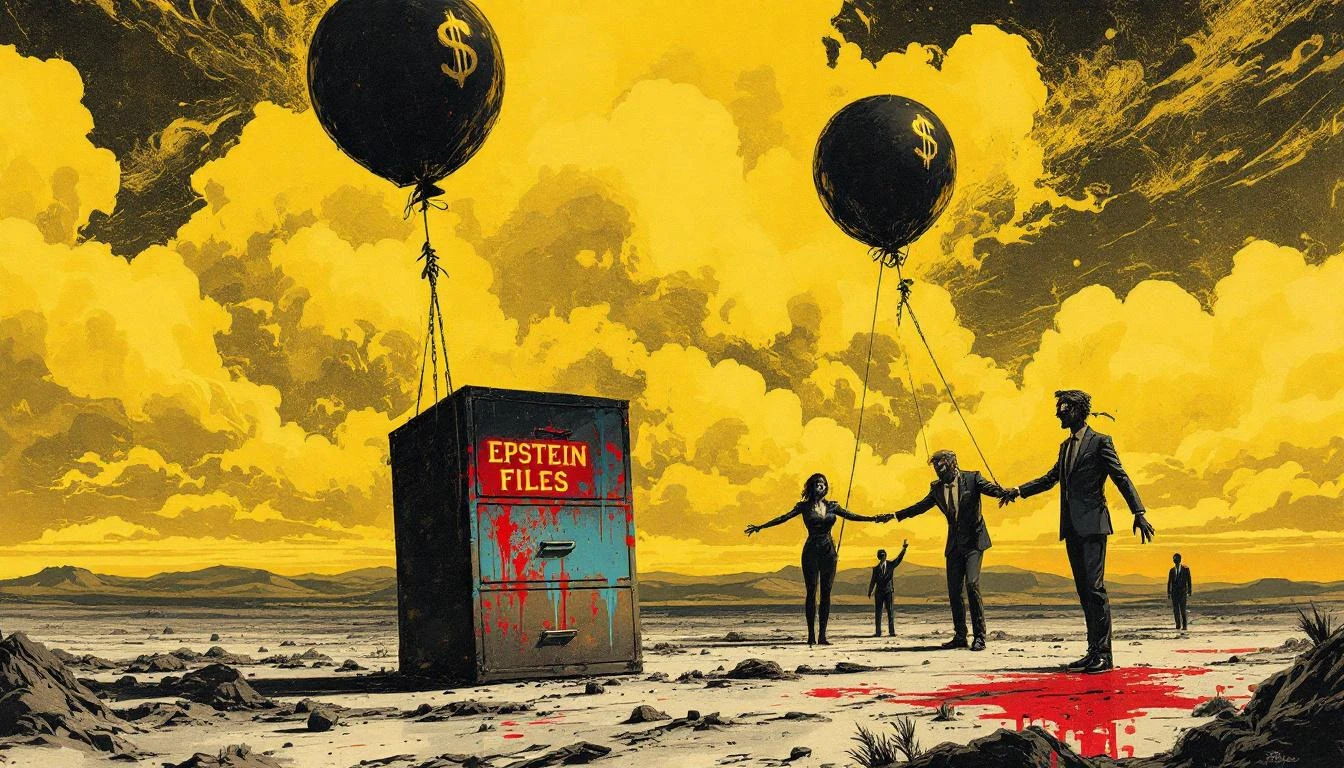
The Conspiracy Theorist Who Found a Real Conspiracy and Immediately Folded Like a Cheap Suit
MTG admits Trump blocked Epstein files to protect 'his friends'—the conspiracy theorist who found a real conspiracy and immediately folded like a cheap suit.