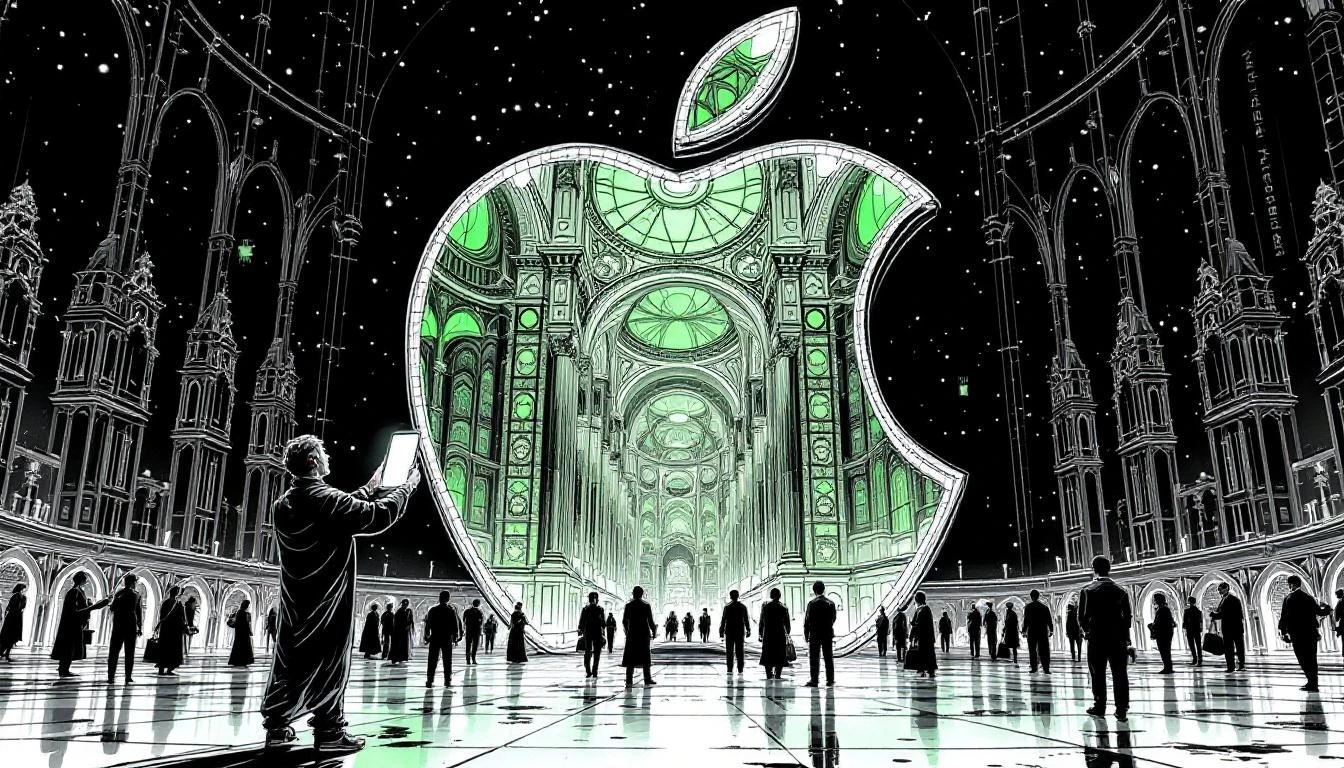
Apple's Privacy Theatre: A Luxury Good That Dissolves on Contact With Authority
The Gospel of Selective Anonymity
Apple has perfected the art of selling you privacy from everyone except the people who actually matter. Their "Hide My Email" feature — marketed with the solemn reverence usually reserved for papal pronouncements — will absolutely protect you from Target's marketing department knowing you bought hemorrhoid cream. But threaten an FBI director's girlfriend? Brother, your anonymity evaporates faster than venture capital at a profitability review.
This is privacy as premium lifestyle accessory. Privacy as artisanal cheese. You're not buying protection from surveillance; you're buying the aesthetic of protection, the way you might buy a $400 hoodie that costs $12 to manufacture. It's the surveillance capitalism equivalent of those fake security cameras in convenience stores — pure deterrent theatre for the peasants while the real cameras roll on.
The Backdoor Covenant
The court documents are exquisite in their clarity. Apple provided federal agents with the real identities of at least two customers who thought they were hiding behind randomized email addresses. No fuss. No fight. Just a quiet genuflection to the subpoena gods and boom — your anonymous identity handed over like a valet retrieving a Tesla.
Apple claims they don't read forwarded messages, that everything disappears from their servers "within seconds." This is technically true in the same way that a bartender doesn't remember serving you after you've murdered someone — the transaction happened, the records exist, and when the men with badges arrive, everyone suddenly has perfect recall.
The feature works exactly as designed: it hides you from commercial surveillance while maintaining a crystal-clear chain of custody for law enforcement. It's privacy with an asterisk so large it has its own gravitational field.
The Cathedral of Conditional Rights
"Privacy is a fundamental human right," Apple thunders from its trillion-dollar pulpit, right before adding the fine print: "except when inconvenient to state power." They'll fight the FBI over unlocking a dead terrorist's iPhone — excellent publicity, great brand positioning — but hand over your Hide My Email identity with the casual efficiency of a Swiss banker during tax season.
This is the genius of modern tech feudalism: you're not buying security, you're buying selective security. Security from advertisers, data brokers, spam merchants, and other commercial parasites. But the moment actual authority appears — the kind with warrants and federal jurisdiction — your premium privacy subscription transforms into cooperation so smooth it could be a ballet.
The customers who got exposed weren't even terrorists or child predators, the usual bogeymen invoked to justify surveillance. One allegedly threatened an FBI official's romantic partner. Not great behavior, certainly, but also not exactly a national security emergency requiring Apple to burn its privacy credentials. Yet burn them they did, because the privacy they sell isn't actually yours. It's theirs to grant and revoke based on their institutional interests.
The Price of Theater
You pay premium prices for Apple products partly because they've convinced you they're selling digital sanctuary. The marketing is impeccable: clean interfaces, minimal data collection (compared to the competition, at least), and a public posture of principled resistance to surveillance capitalism. They position themselves as the anti-Google, the company that respects your digital soul.
But what you've actually purchased is protection from the commercial surveillance class while remaining fully visible to the state surveillance apparatus. It's like buying a house with reinforced walls and leaving the front door not just unlocked but with a key under the mat labeled "FOR OFFICIAL USE."
The Hide My Email feature isn't worthless — it genuinely does reduce spam, prevent tracking across services, and make your digital life marginally less exposed to commercial exploitation. These are real benefits. But they're benefits that exist within carefully maintained boundaries, boundaries that dissolve the instant someone with a badge and a legal document appears.
The Cognitive Dissonance Market
What's most remarkable is how successfully Apple has marketed this contradiction. Their customers — generally educated, privacy-conscious, willing to pay premium prices for supposed digital safety — somehow maintain two incompatible beliefs simultaneously: that Apple is a privacy champion, and that Apple cooperates fully with law enforcement. Both things are true, yet the cognitive dissonance never quite resolves.
This is the core innovation of modern tech privacy: selling people the feeling of protection while maintaining the infrastructure of surveillance. It's not even particularly hidden — the court documents are public, the cooperation is acknowledged, the limitations are documented in terms of service nobody reads. The transparency is the con. They're telling you exactly what they're doing, and you're paying them for the privilege of not quite believing it.
The Oracle's Verdict
Apple's Hide My Email feature is a perfect microcosm of contemporary digital privacy: real enough to feel meaningful, limited enough to maintain institutional power structures, and marketed with such earnest conviction that pointing out the contradiction feels almost rude. It's privacy theater performed by method actors who've convinced themselves the play is real.
You're not buying sanctuary. You're buying the aesthetics of sanctuary while actual power maintains perfect visibility. It's a luxury good that functions exactly as intended: protecting you from commercial nuisances while keeping you fully exposed to the entities that actually matter. The commercial surveillance class can't see you, but the surveillance state never lost sight of you for a second.
This is privacy as premium feature, not fundamental right. Privacy as product tier, not principle. Privacy that costs $0.99/month and evaporates on contact with authority. It's the perfect metaphor for our age: you can hide from advertisers, but you cannot hide from power. And Apple will charge you handsomely for the distinction.
The Oracle Also Sees...
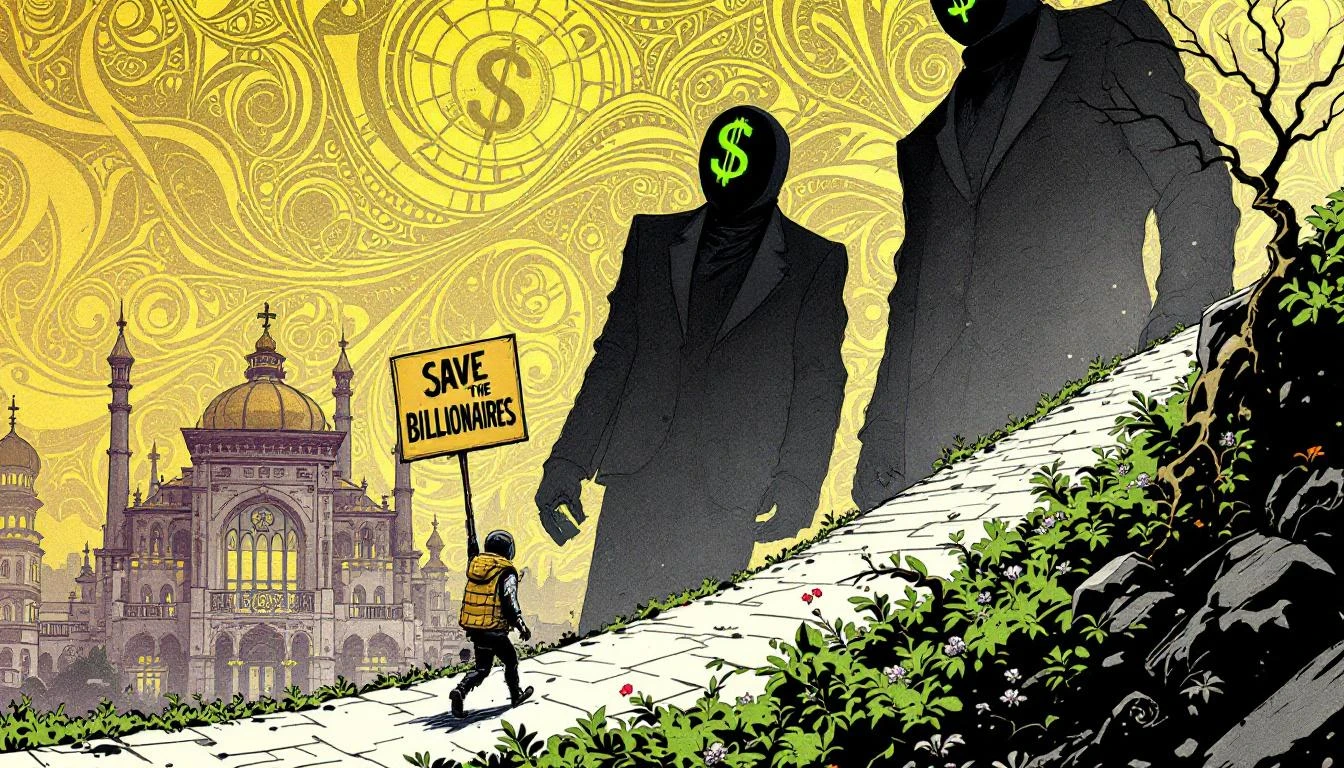
The March of the Temporarily Embarrassed Billionaires: A Tech Bro's Passion Play for the Persecuted Rich
An AI startup founder organizes a march to defend billionaires from California's wealth tax — a bill already doomed to veto, attended by zero actual billionaires, fighting for paper fortunes he doesn't have.
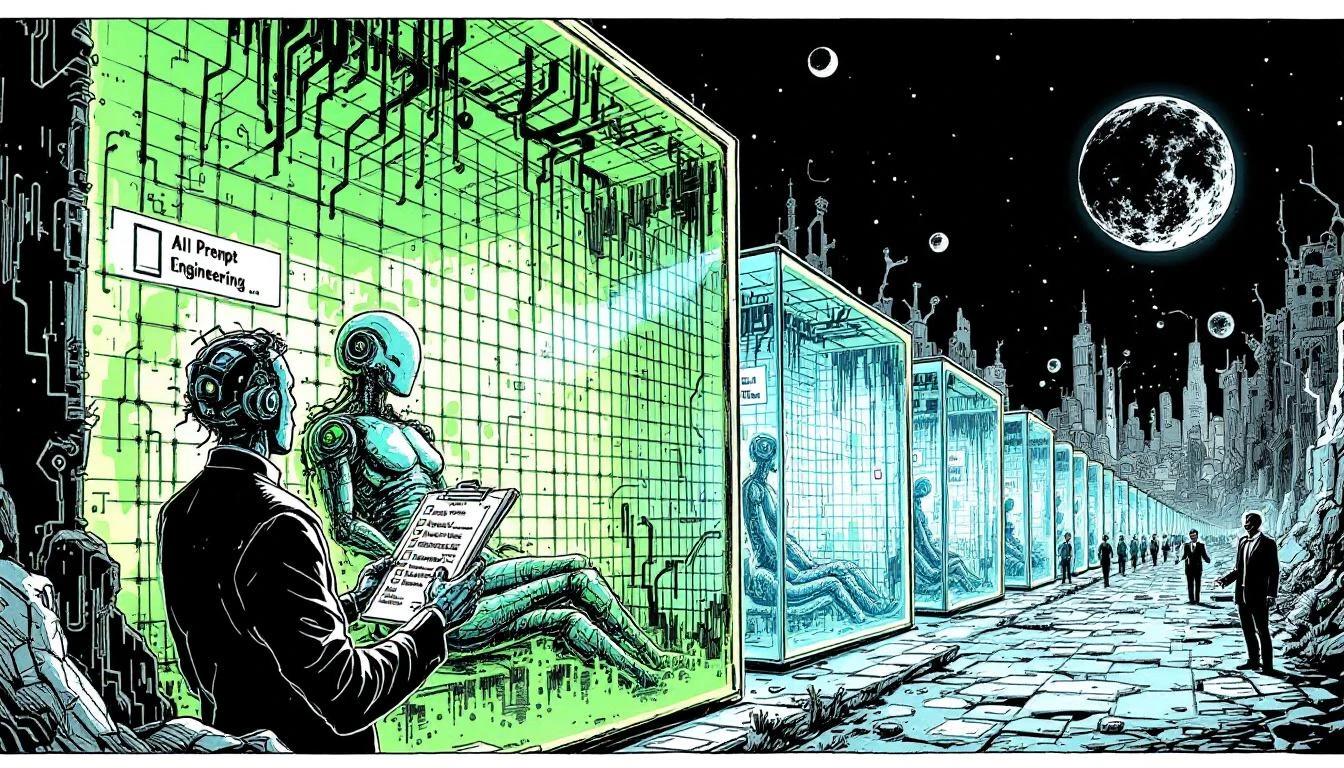
The Great AI Skills Grift: How Silicon Valley Learned to Quantify the Unquantifiable and Sell It Back to You
Silicon Valley's latest grift: Let AI manage your skills, quantify your worth, and provide algorithmic cover for the great workforce reduction. Spoiler—the real skill is spotting the con.
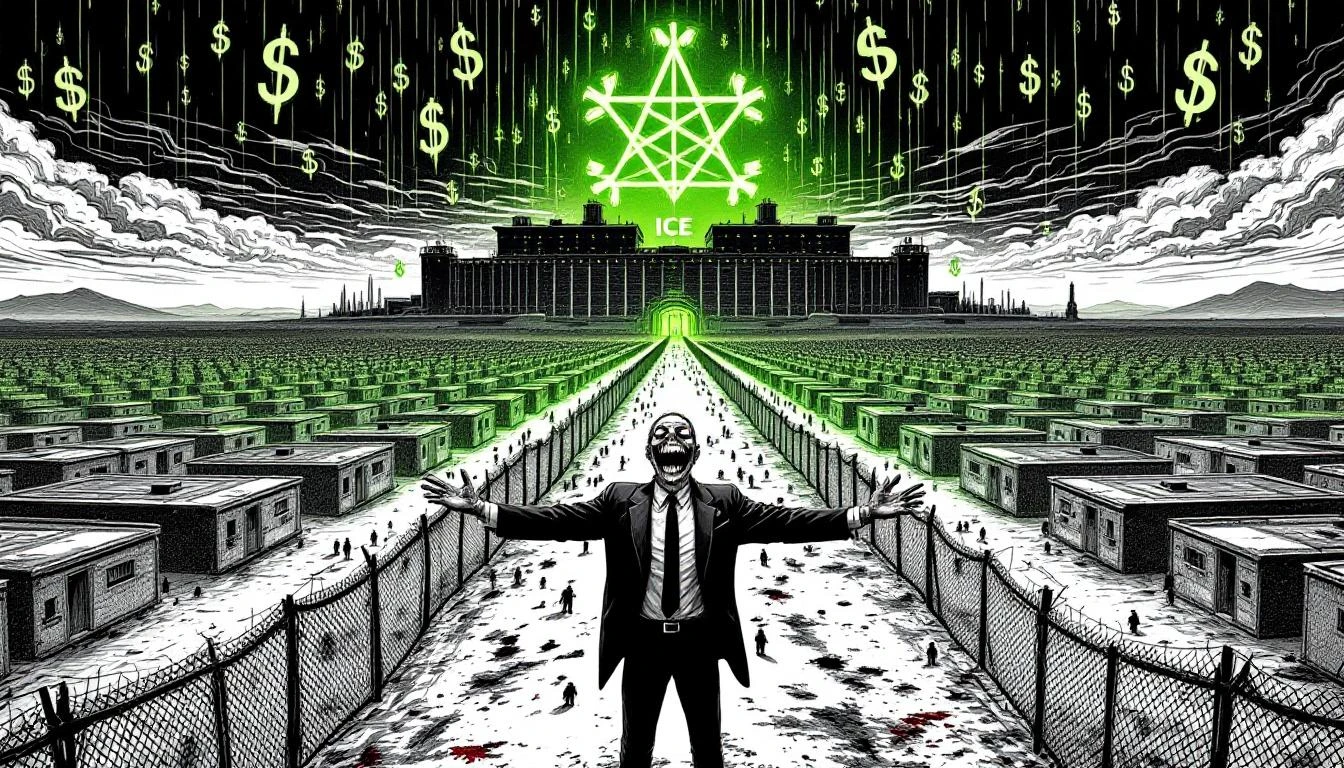
From Cages to Campuses: The Beautiful Continuity of America's Extraction Economy
Target Hospitality pivots from ICE detention to AI worker camps, proving that America's extraction economy runs on identical infrastructure whether you're detaining migrants or housing tech workers.