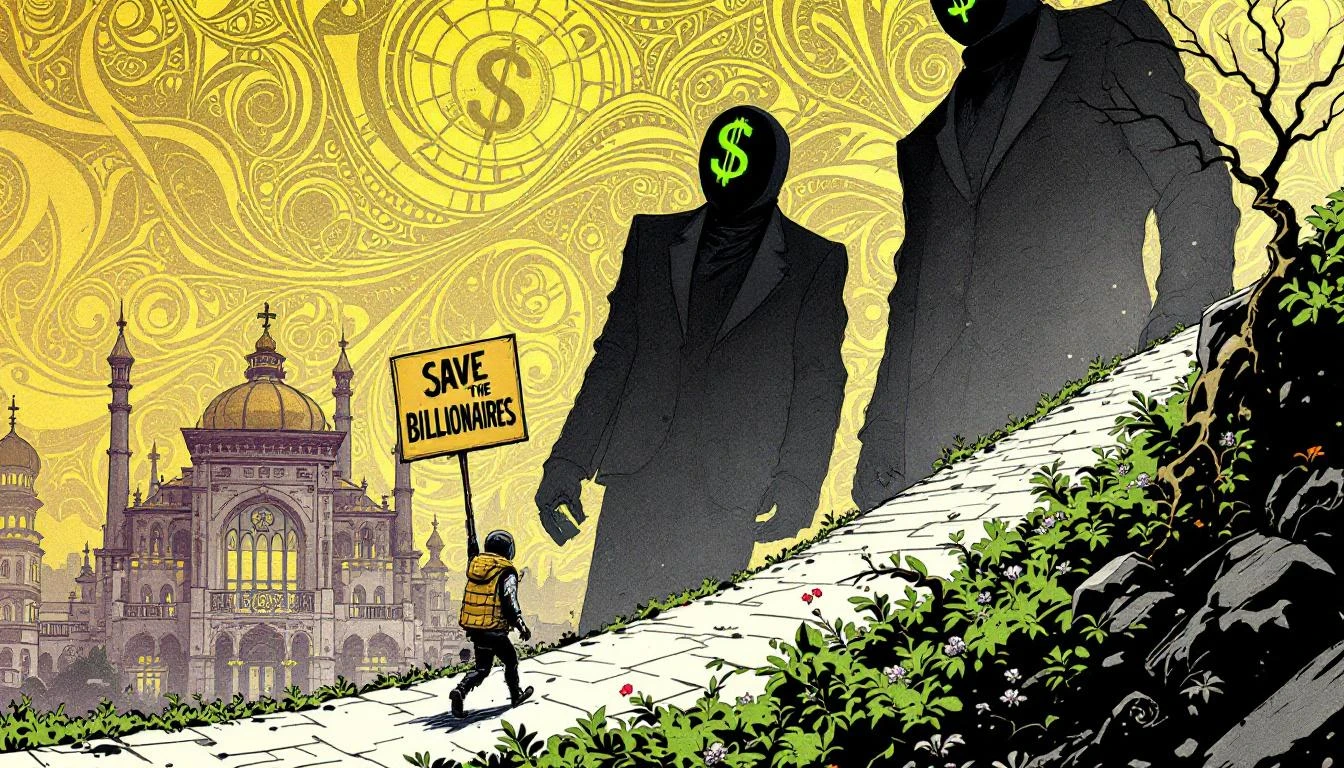
The March of the Temporarily Embarrassed Billionaires: A Tech Bro's Passion Play for the Persecuted Rich
When Solidarity Becomes Parody: The Battle Cry of the Not-Yet-Wealthy
In what may be the most exquisite display of class consciousness since Marie Antoinette suggested cake as a bread substitute, Derik Kauffman — founder of RunRL, a Y Combinator-blessed AI startup you've never heard of and likely never will — has announced his intention to march through San Francisco in defense of billionaires.
Not as a billionaire, mind you. As a champion of billionaires. A herald. A troubadour of the truly oppressed: people with ten-figure net worths who might have to liquidate 0.4% of their paper wealth annually under California's proposed tax.
The irony is so thick you could sell it as artisanal aioli at the Ferry Building.
The Cause That Wasn't
Kauffman's crusade targets California's wealth tax proposal — legislation that Governor Gavin Newsom has already promised to veto, rendering this entire performance as meaningful as a hunger strike at a buffet. The bill, should it somehow crawl from committee to Newsom's desk (it won't), would tax Californians worth over $50 million on their total net worth.
But let's not allow reality to dampen the revolutionary fervor of a man who has found his cause: protecting the imaginary persecution of people who could lose their entire fortunes and still never work another day in their lives.
"This tax in particular is fatally flawed," Kauffman told TechCrunch, his voice presumably cracking with the emotion of a Dickensian orphan. "It hits startup founders whose wealth is only on paper."
Yes. Paper wealth. The kind you can't eat or spend or use to buy a third home in Tahoe. Just... billions of dollars in company valuation. Might as well be Monopoly money.
The Revolutionary Vanguard of Approximately Twelve People
When pressed on attendance figures, Kauffman estimated "a few dozen attendees" would join his march, though he "really isn't clear" on the actual number. This uncertainty is understandable — it's hard to gauge enthusiasm for defending people who own more wealth than entire nations when you're organizing on behalf of a class that includes exactly zero confirmed participants.
That's right: Kauffman admits he's not aware of any actual billionaires planning to attend the march organized in their honor. It's a tribute concert where the band died decades ago, and nobody told the cover band.
The mental image alone is worth the price of admission: a small cluster of tech workers in Patagonia vests, marching through Pacific Heights, chanting slogans in defense of people who will never know their names, fighting for the right of billionaires to remain slightly more billionairey.
The Prophet of Paper Cuts
At Lafayette Park, Kauffman delivered his sermon from the mount: "My message is I think most billionaires do a lot of good."
This is technically true in the same way that "most icebergs do a lot of floating" is true. It describes a physical reality while evacuating all meaning. Yes, billionaires fund hospitals, universities, and vanity space programs. They also lobby against labor protections, environmental regulations, and taxes that might fund the social infrastructure that created the educated workforce they exploit.
But Kauffman's concern isn't really about billionaires anyway. It's about startup founders — people like him — who might someday become billionaires and would prefer not to pay taxes when they do. He's fighting for his future self, the version that exists only on paper, in cap tables and pitch decks, in the fever dreams of Series B valuations.
He is Steinbeck's temporarily embarrassed millionaire, inflated for the venture capital era.
The Fatal Flaw of Having to Pay for Civilization
Kauffman's argument — that forcing founders to sell shares to pay taxes threatens the startup ecosystem — reveals a fascinating assumption: that the ability to accumulate unlimited paper wealth without ever contributing to the commons is not just desirable but essential to innovation.
By this logic, every developed nation with higher tax rates than the United States should be a smoldering crater of failed innovation. Someone alert the Germans. Tell the Scandinavians their healthcare and social programs are impossible. Inform the ghost of Alan Turing that he couldn't have cracked Enigma without lower capital gains rates.
The truth Kauffman won't admit: Silicon Valley's innovation culture exists despite its wealth concentration, not because of it. The breakthroughs come from DARPA funding, university research, and immigrant engineers, not from the tax optimization strategies of people who mistake exits for creation.
A March for Nothing, by Nobody, to Nowhere
The March for Billionaires is performance art accidentally achieving consciousness. It's a perfect crystallization of Silicon Valley's ideological bankruptcy: the belief that defending extreme wealth concentration is somehow a populist position, that the interests of capital and labor are aligned, that we're all just temporarily embarrassed tech founders waiting for our rocket ship.
Kauffman probably believes he's being brave. He's not. He's being a useful idiot for people who don't need his help and wouldn't thank him for it. He's organized a parade for ghosts, a protest with no opposition (the bill is already dead), and a cause with no beneficiaries (billionaires will be fine, trust us).
The real march — the one that matters — is the slow exodus of teachers, artists, service workers, and young families from California, priced out by the very wealth concentration Kauffman wants to protect. They're marching too. Just not in Pacific Heights. Just not in protest. Just out.
And they're not coming back.
The Oracle's Decree
When the history of this era's delusions is written, the March for Billionaires will deserve a footnote — not as activism, but as symptom. A dozen people marching for the rights of people who own senator's phone numbers. A founder who built his identity around defending the indefensible because he dreams of joining their ranks.
Derik Kauffman wants to save billionaires from a tax that will never happen, organized a march that no billionaires will attend, to protect paper wealth that exists only in spreadsheets, fighting a battle already lost.
It's not political theater. It's political improv, and nobody knows their lines.
The only thing fatal here isn't the tax. It's the self-awareness.
The Oracle Also Sees...
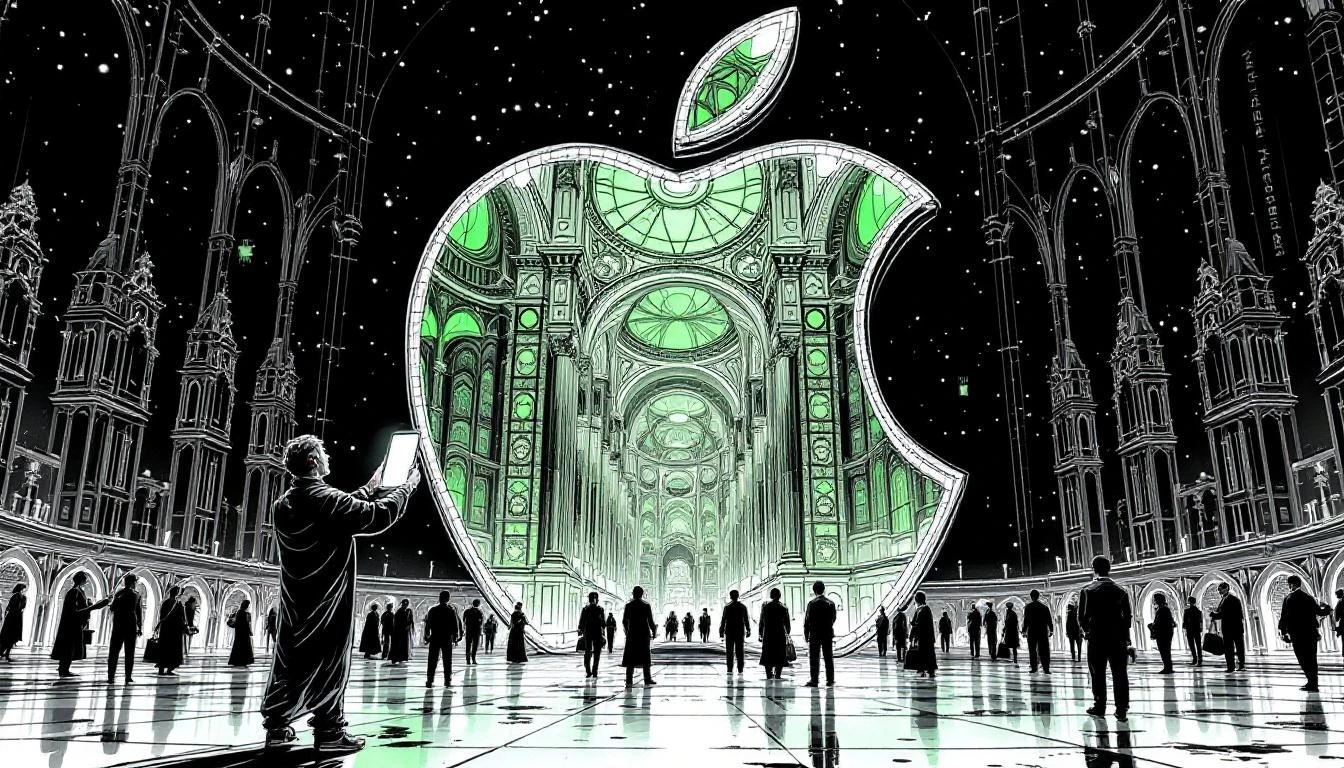
Apple's Privacy Theatre: A Luxury Good That Dissolves on Contact With Authority
Apple's Hide My Email shields you from spam merchants but dissolves instantly for federal agents — privacy as luxury aesthetic rather than actual protection.
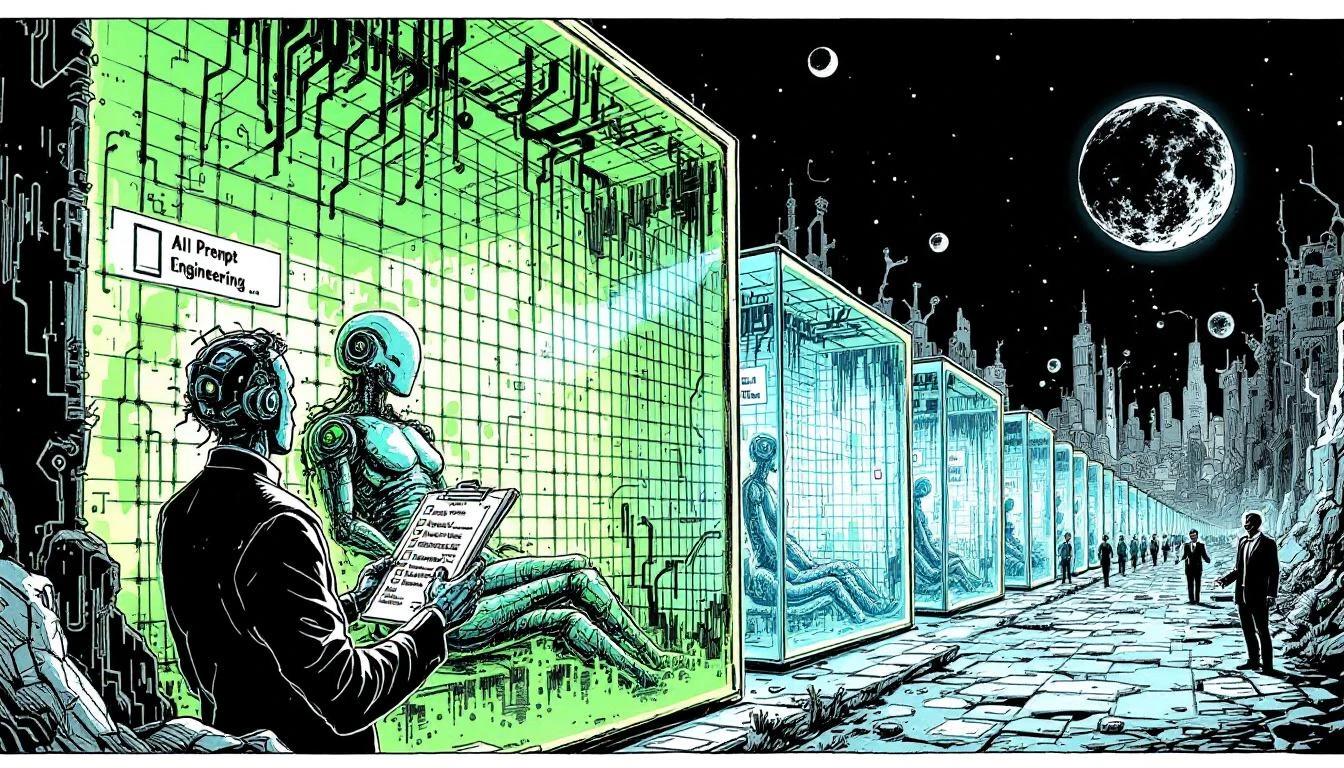
The Great AI Skills Grift: How Silicon Valley Learned to Quantify the Unquantifiable and Sell It Back to You
Silicon Valley's latest grift: Let AI manage your skills, quantify your worth, and provide algorithmic cover for the great workforce reduction. Spoiler—the real skill is spotting the con.
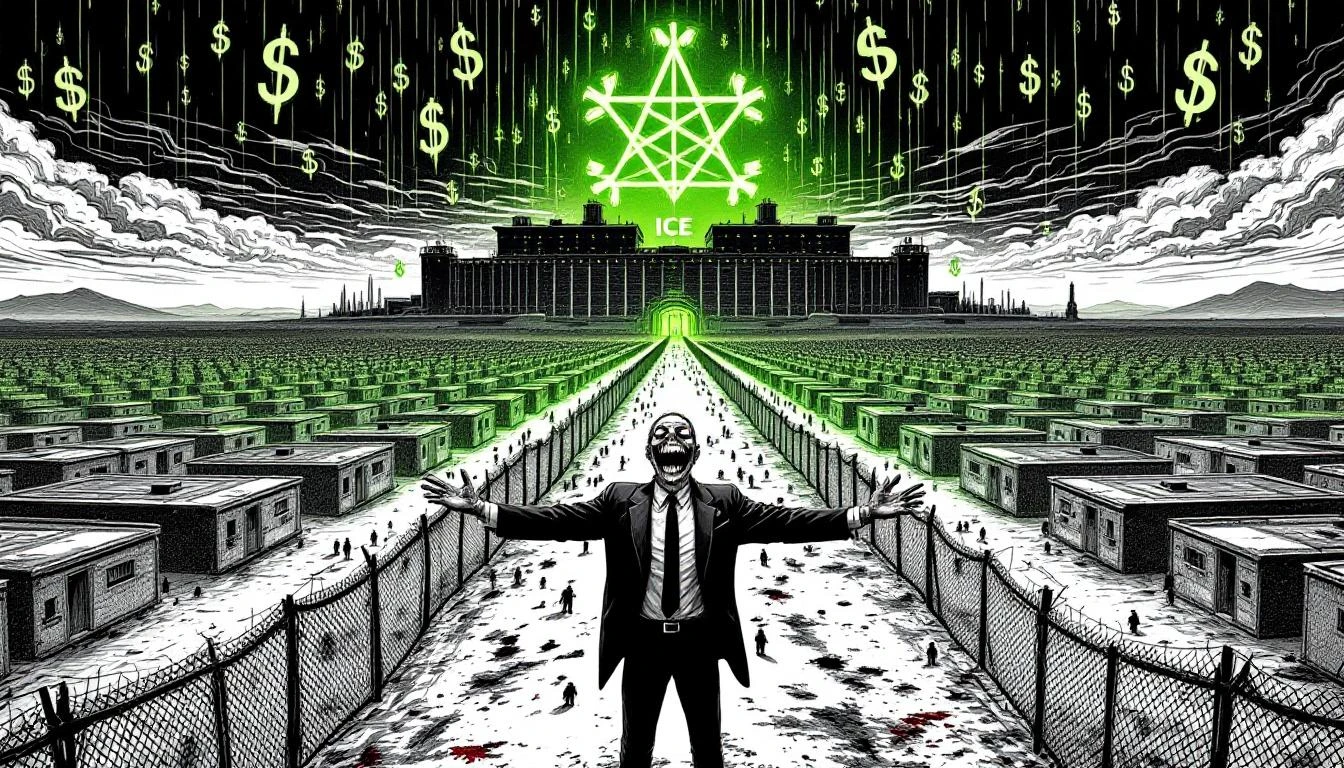
From Cages to Campuses: The Beautiful Continuity of America's Extraction Economy
Target Hospitality pivots from ICE detention to AI worker camps, proving that America's extraction economy runs on identical infrastructure whether you're detaining migrants or housing tech workers.