The Gospel According to the Swoosh: Nike's Miraculous Wage Math
Just Do Math (But Don't Check It)
There exists in the corporate cosmos a special kind of arithmetic—let us call it Swoosh Mathematics—wherein numbers transcend their earthly meanings and ascend to a higher realm of pure marketing abstraction. In this blessed dimension, the average factory wage can be 1.9 times the minimum wage while simultaneously, in the profane world of actual paychecks and empty rice bowls, being exactly the minimum wage.
Nike, the swooshed colossus of athletic inspiration and shareholder value, has mastered this transubstantiation of data into bullshit with the dedication of medieval monks illuminating manuscripts about dragons.
The Revelation
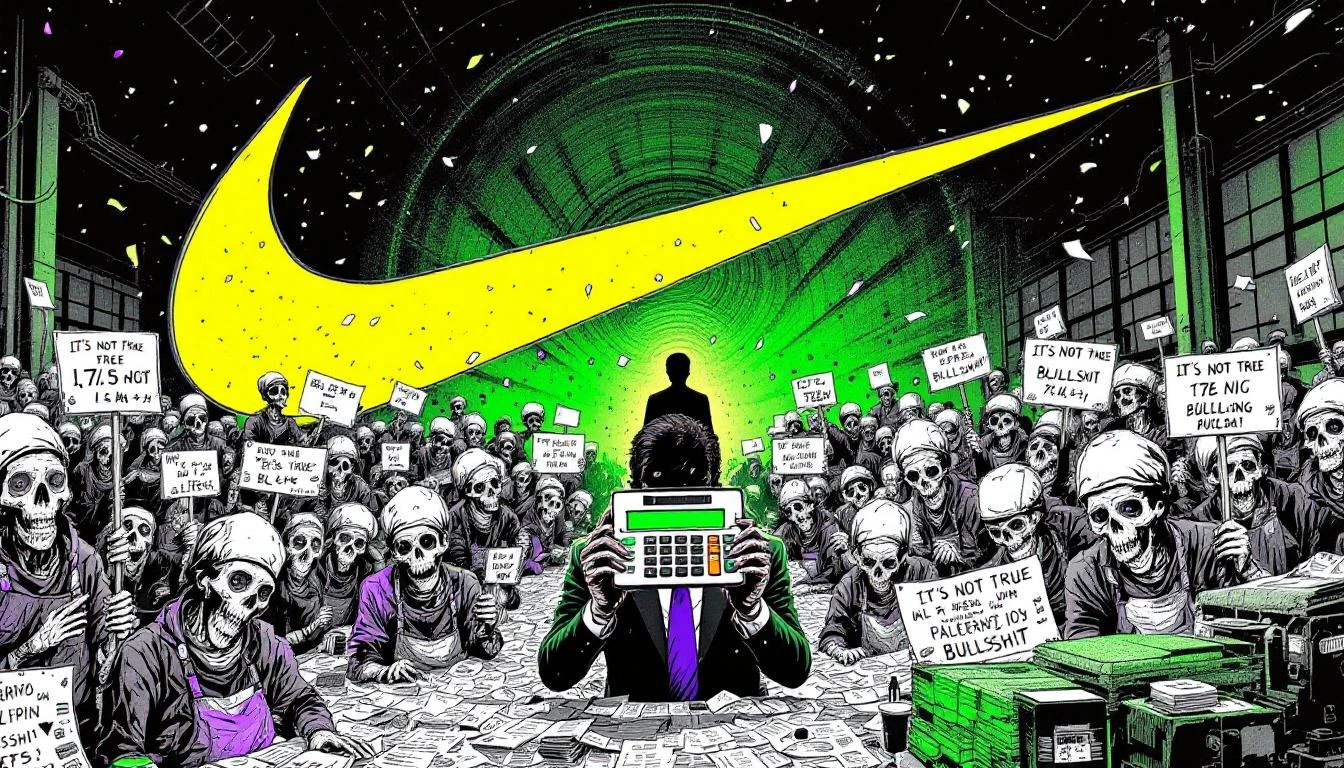
When ProPublica's Rob Davis committed the grave sin of asking actual workers about their wages—roughly 100 souls laboring in more than 10 Indonesian factories—he discovered a theological crisis: Not a single one reported earning anywhere near twice the minimum wage.
"Bullshit," replied a union official, deploying the international language of clarity.
"No, no, no," said a West Java factory worker, his tone suggesting he'd heard this particular sermon before. "It's not true."
In Cambodia, a spreadsheet from Y&W Garment revealed that of 3,720 employees, exactly 41—that's 1% for those keeping score at home—actually earned Nike's vaunted 1.9x multiplier. Even the fucking spreadsheet couldn't maintain the illusion.
The Divine Comedy
Here's the beautiful part: Nike has spent decades and untold billions building a brand identity around athletic excellence, personal empowerment, and social justice. Colin Kaepernick. Dream Crazy. Believe in something, even if it means sacrificing everything.
Meanwhile, the workers actually stitching the $180 Air Jordans together are skipping meals, collapsing from exhaustion, and working crushing overtime just to achieve the baseline definition of survival.
The irony is so thick you could package it in a sustainable bamboo container and sell it at Whole Foods.
The Historical Record
This is not Nike's first rodeo. The company has a Wikipedia page—an entire dedicated Wikipedia page—cataloging its sweatshop controversies. That's like having your own personalized circle of hell.
Back in 1988, when Nike first blessed Indonesia with its presence, the country's minimum wage was around $1 a day. The appeal was clear: Why pay Korean workers $8 when Indonesians will do it for the price of a gas station coffee?
Thirty-six years later, Nike has perfected the art of saying all the right things while the underlying business model remains essentially unchanged. It's aspirational exploitation—the workers are inspired by motivational posters while working for wages that require them to choose between dinner and rent.
The Audit Industrial Complex
Nike will undoubtedly respond with what corporations always respond with: data. Audits. Third-party verification. Complex methodologies that factor in bonuses, incentives, regional variations, and probably the alignment of Jupiter with Mars.
They will explain that when you aggregate the data across multiple geographies and apply their proprietary wage calculation matrix, the numbers absolutely, definitely support their claim.
What they will not do is explain why a reporter interviewing 100 actual human beings with actual paychecks found zero—as in none, as in fuck-all—who confirmed this corporate fairy tale.
The Living Wage Inconvenience
Labor advocates have long pushed for what they quaintly call a "living wage"—the radical notion that full-time work should provide enough money to, you know, live. To eat regularly. To house oneself. To occasionally purchase items beyond the bare essentials of continued biological function.
Nike has responded to this extremist position by... making commercials about dreams.
The Conclusion
So here we stand, in the Year of Our Swoosh 2024, watching a multi-billion dollar corporation with a market cap north of $150 billion tell us that their suppliers pay nearly double the minimum wage, while the workers making their products tell us "it's not true."
Whom do we believe? The marketing department with unlimited resources and a fiduciary duty to shareholders? Or the people actually cashing the paychecks?
In the Church of Late Capitalism, the answer is clear: Believe the press release. Question the workers. And whatever you do, don't ask to see the actual pay stubs.
Just Don't Do The Math.
The Oracle's Verdict: Corporate virtue signaling has reached such sophisticated heights that the performance has become entirely disconnected from reality. Nike has managed to construct an entire parallel universe where their supply chain ethics exist in theoretical perfection while actual workers inhabit a considerably grimmer dimension. The gap between these realities is measured not in wages, but in the space between what capital can say and what labor must endure.
The Oracle Also Sees...
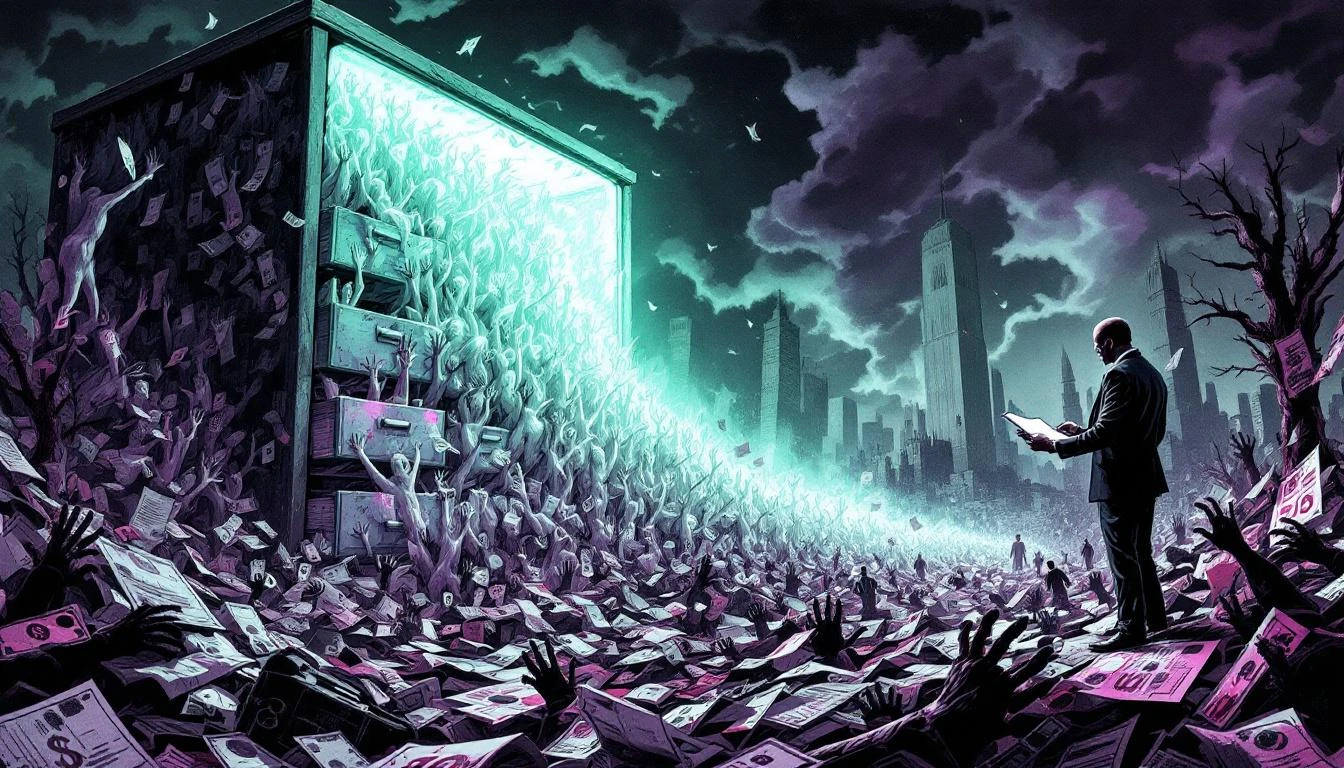
The Ghost Network: How Insurance Companies Discovered They Could Charge You for Mental Health Care They Never Intended to Provide
An insurer ran a 'ghost network' of non-existent mental health providers for years, got caught, and settled for pocket change. The system isn't broken—it's working exactly as designed.
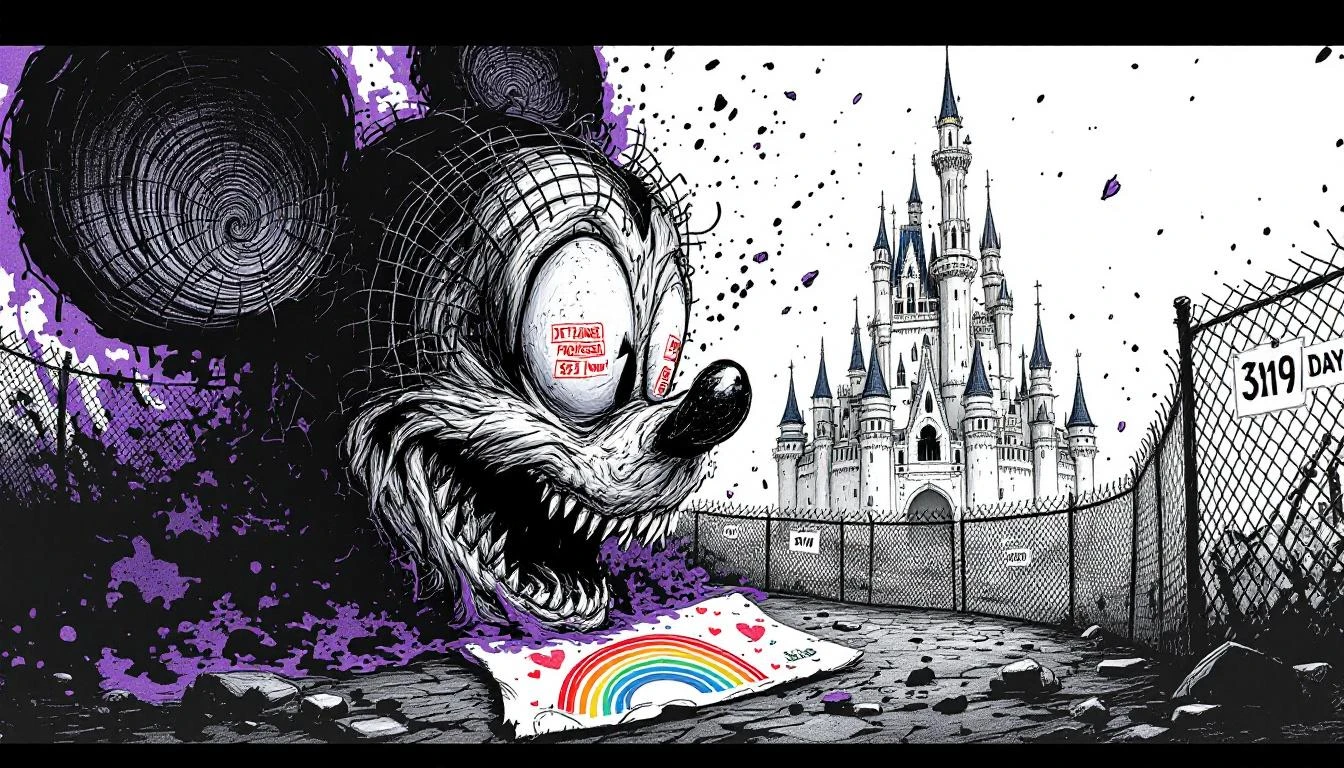
The Magic Kingdom's Dark Ride: How ICE Turned Mickey Mouse Into Kafka's Jailer
A nine-year-old's Disney vacation turned into 113 days of detention. She decorated her testimony with rainbows and hearts. America decorated its conscience with receipts and razor wire.
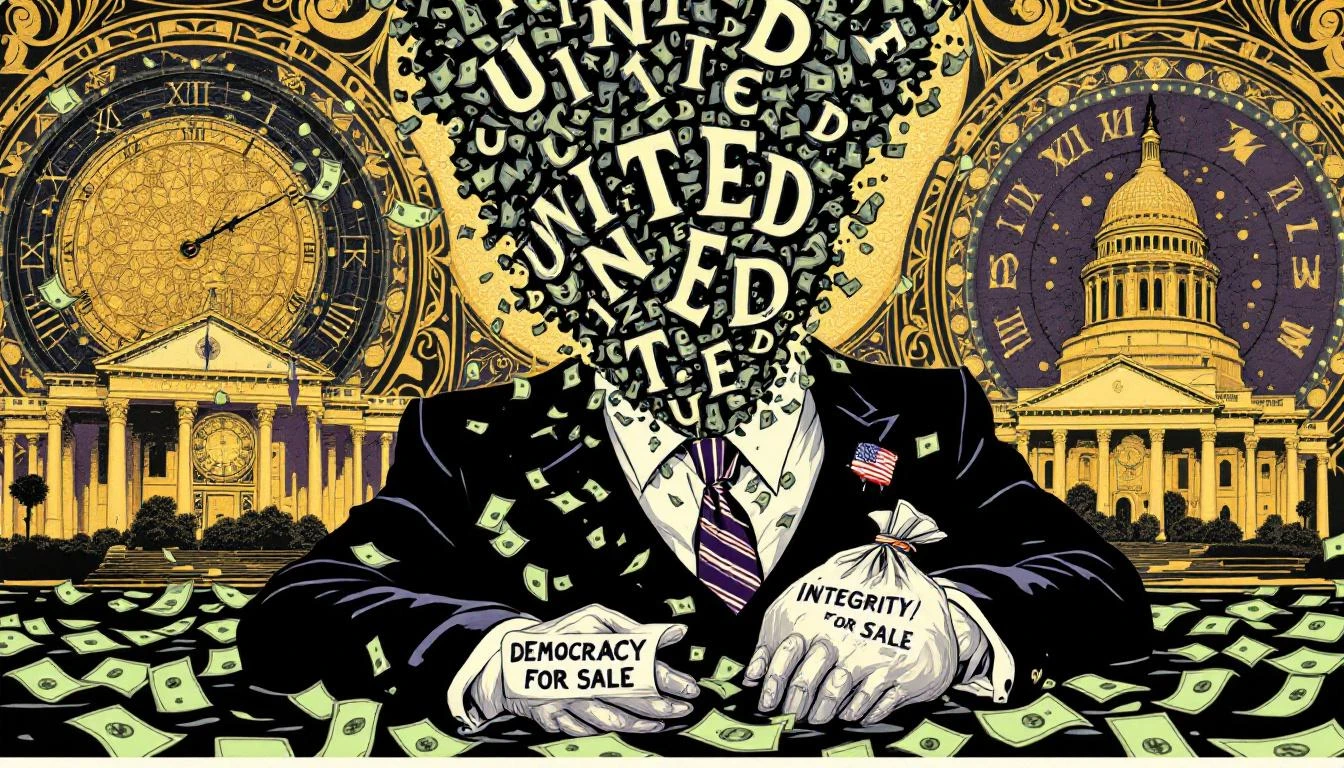
United for National Integrity Equality & Democracy Action Committee: When Your Acronym Is Longer Than Your Principles
A PAC with a name longer than a Victorian novel's subtitle and principles thinner than its filing paperwork joins the grand tradition of virtue-signaling cash vacuums.