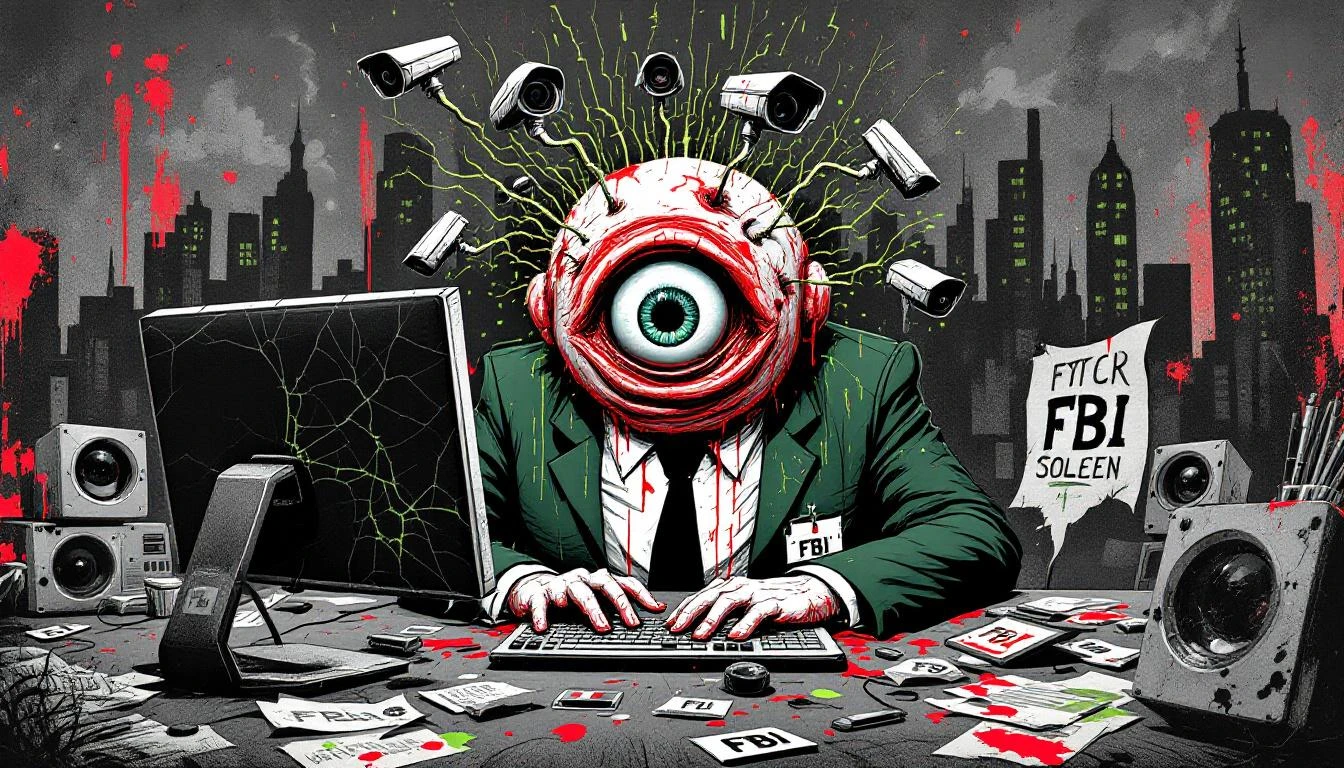
The Panopticon Gets Pantsed: FBI's Spy Network Hacked in Delicious Act of Cosmic Justice
When the Watchers Get Watched
There's a particular flavor of schadenfreude reserved for moments when the surveillance state discovers its own voyeuristic infrastructure has been compromised. It's like watching a pickpocket get mugged, or a telemarketer's phone getting hacked by robocallers. The FBI — America's premier domestic spying apparatus, guardian of the Digital Collection System Network, keeper of wiretap warrants and FISA court rubber stamps — has just experienced what security professionals call "a learning opportunity" and what the rest of us call "getting absolutely owned."
Someone, somewhere, breached the very networks used to manage the warrants that authorize surveillance on American citizens and foreign targets alike. Not the data itself necessarily, but the administrative backbone — the bureaucratic plumbing of the panopticon. It's as if someone didn't just break into the prison; they stole the warden's keys, copied the guard rotation schedules, and possibly left a taunting note on the way out.
The Irony Burns With the Heat of a Thousand Server Farms
For decades, the security establishment has preached a gospel of total information awareness. "If you have nothing to hide, you have nothing to fear," they lectured from their fortified compounds. They built backdoors into encryption standards. They fought against end-to-end encryption with the fervor of medieval inquisitors. They collected metadata on billions of phone calls and told us to trust them with the keys to the kingdom.
And now? Now we discover that their own "sensitive internal network" — unclassified, naturally, because who needs proper security classifications for systems managing federal wiretap warrants — showed "suspicious activities." That's FBI-speak for "we got hacked and we're not entirely sure when, how, or by whom."
The breach notification, dutifully obtained by the Associated Press, reveals the FBI noticed "abnormal log information" on February 17th. In the cybersecurity world, "abnormal log information" is what you find after the intruders have already been inside, probably for weeks or months, making themselves comfortable like unwanted houseguests who've learned where you keep the good bourbon.
Salt Typhoon: A Name That Sounds Like a Punk Band but Acts Like a Geopolitical Nightmare
The suspected culprits? A group tracking as "Salt Typhoon" — because in the modern era, even our adversaries get branding consultants. These aren't script kiddies or ransomware merchants looking for Bitcoin. This is sophisticated, patient, state-level intrusion work. The kind that previously compromised telecommunications giants like Verizon, AT&T, and Lumen. The kind that targeted the communications of high-profile political officials.
They didn't just knock over a 7-Eleven; they compromised the systems that decide who gets surveilled and how. That's not data theft — that's operational intelligence. That's knowing which investigations are active, which targets are under warrant, which surveillance authorities are being invoked. It's the difference between stealing someone's diary and stealing their security camera footage showing where they hide the diary.
The Circular Firing Squad of Digital Security
Here's where it gets truly absurd: The same federal apparatus that demands backdoors into your iPhone, that insists Silicon Valley build golden keys into encrypted messaging apps, that argues only terrorists and pedophiles need privacy — this apparatus cannot secure its own networks.
Not theoretical attack surfaces. Not hypothetical vulnerabilities. Actual, confirmed, "we are investigating suspicious activities" breaches. This isn't even the FBI's first rodeo this year. CNN reported on a separate 2023 breach targeting a computer system at the New York field office — specifically, systems used to store images from child sexual exploitation investigations. Because apparently, securing evidence of heinous crimes is less important than, I don't know, making the coffee machine IoT-enabled.
The cognitive dissonance required to maintain the surveillance state's public posture would shatter a normal person's mind. "We must have access to everyone's private communications for safety," they insist, while simultaneously demonstrating they cannot keep their own sensitive systems from getting pillaged by foreign intelligence services.
The Unclassified Scandal
Bury your face in your hands for a moment and contemplate this detail: The affected system is unclassified. The Digital Collection System Network — the infrastructure managing federal wiretap and FISA warrants — runs on unclassified systems.
Now, there might be technical reasons for this. Maybe the sheer volume of coordination with telecommunications providers requires unclassified channels. Maybe the bureaucratic overhead of classified systems is prohibitive. Maybe someone made a cost-benefit analysis decades ago that we're now paying for in geopolitical humiliation.
But from the outside? It looks like running the Death Star's defensive shield controls on a network secured with a Post-it note reading "password123."
The Inevitable Conclusion
Every time the intelligence community demands weaker encryption, every time law enforcement lobbies against privacy protections, every time some think-tank ghoul writes an op-ed about how only criminals fear surveillance — remember this moment.
Remember that the same people who insist they need omniscient access to your digital life cannot secure their own houses. Remember that the watchers got watched, and they didn't even notice until the logs started looking "abnormal."
The surveillance state's fundamental promise is competence. "Trust us with unlimited power because we alone can wield it responsibly." But competence requires security, and security requires humility — an acknowledgment that systems fail, humans err, and adversaries adapt.
Instead, we get press releases about "suspicious activities" and anonymous sources confirming what everyone already suspected: The panopticon has a broken lock, and the inmates have been studying the guard rotations for months.
Epilogue: A Modest Proposal
Perhaps it's time for a new doctrine: If your agency cannot secure its own surveillance infrastructure, you forfeit the right to conduct surveillance. Call it the "Physician, Heal Thyself" standard of digital governance.
Until the FBI can demonstrate it can protect the systems managing its investigative authorities, perhaps it should lose access to those authorities. A cooling-off period. A chance to reflect on the difference between omniscience and competence.
Of course, that won't happen. Instead, we'll get congressional hearings where nobody asks hard questions, budget increases to "enhance cybersecurity," and absolutely zero accountability for the systemic failure of institutional arrogance.
The watchers will keep watching, just with slightly more embarrassment and significantly less moral authority. And somewhere, in a server farm far away, Salt Typhoon is probably laughing.
Or worse: They're still inside, watching the watchers watch.
The Oracle Also Sees...
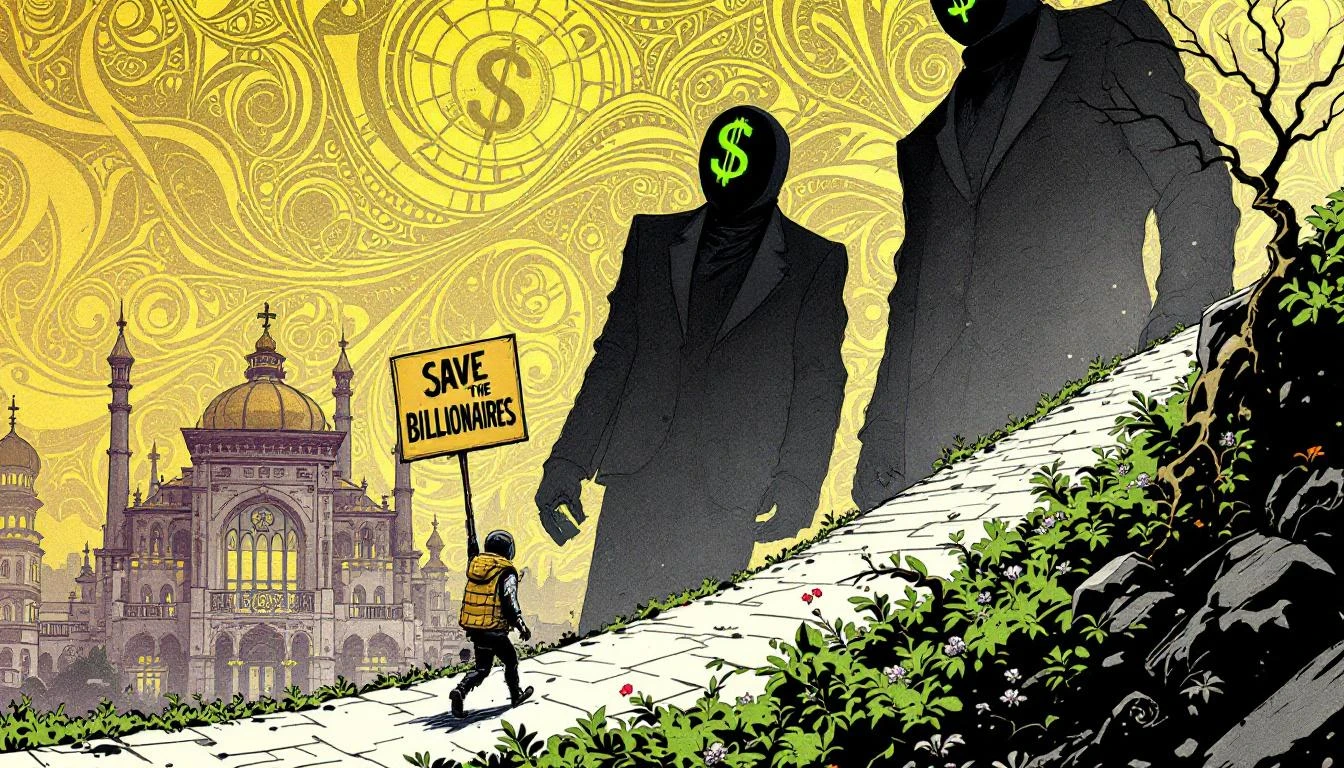
The March of the Temporarily Embarrassed Billionaires: A Tech Bro's Passion Play for the Persecuted Rich
An AI startup founder organizes a march to defend billionaires from California's wealth tax — a bill already doomed to veto, attended by zero actual billionaires, fighting for paper fortunes he doesn't have.

Apple's Privacy Theatre: A Luxury Good That Dissolves on Contact With Authority
Apple's Hide My Email shields you from spam merchants but dissolves instantly for federal agents — privacy as luxury aesthetic rather than actual protection.
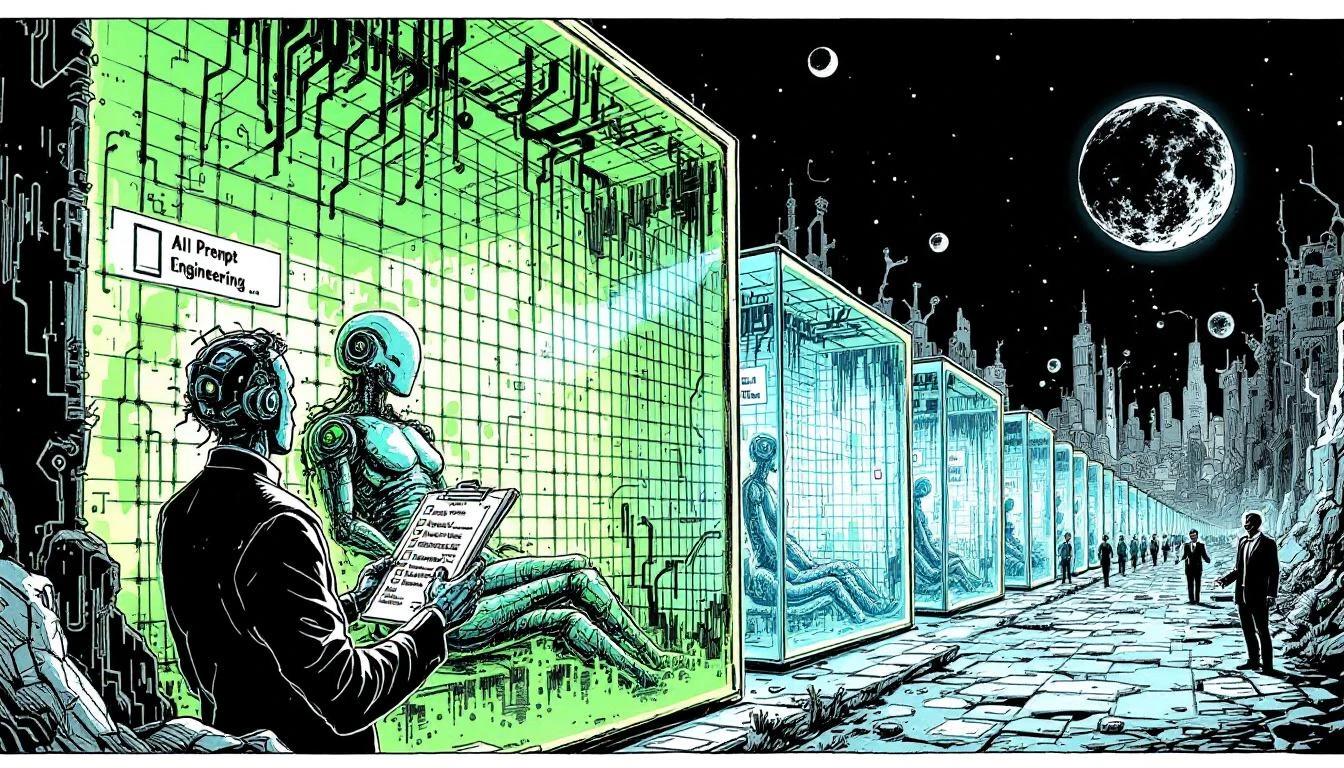
The Great AI Skills Grift: How Silicon Valley Learned to Quantify the Unquantifiable and Sell It Back to You
Silicon Valley's latest grift: Let AI manage your skills, quantify your worth, and provide algorithmic cover for the great workforce reduction. Spoiler—the real skill is spotting the con.